Regulation (EU) 2025/40, known as the PPWR – Packaging and Packaging Waste Regulation, introduces harmonised requirements covering the entire life cycle of packaging and packaging waste. It replaces Directive 94/62/EC and applies directly in all EU Member States.
All packaging placed on the EU market
Applies to all packaging placed on the EU market, regardless of material, with harmonised requirements covering the entire life cycle.
Full packaging life cycle
The new rules cover design, minimisation, recyclability, reuse, refill, recycled content, labelling and waste management.
PPWR key dates and compliance timeline
The PPWR introduces a gradual implementation pathway, with obligations and targets phased in over time. However, some operational aspects are still being defined, including delegated acts, assessment methodologies and technical implementation guidance.
August 12, 2026
PPWR obligations start to apply: conformity assessment, Technical Documentation and Declaration of Conformity (DoC), along with requirements on heavy metals and PFAS for food-contact packaging.
August 12, 2028
EU harmonised labelling: national labelling requirements, including those under former Article 219 of Legislative Decree 152/2006, will no longer apply.
January 1, 2030
Design for recycling, recycled content, packaging minimisation and empty-space requirements, along with bans on certain single-use packaging and initial reuse targets.
2035
Packaging must be effectively recyclable at scale.
2040
Strengthened reuse targets, including 40% for beverages, and recycled content targets, up to 65% for PET.
The unit of packaging is the subject of the conformity
The conformity assessment and the DoC are prepared for the entire unit of packaging, not for each individual component. Each unit in the shipment has its own conformity assessment and DoC: pallets, film and straps are separate units of packaging.
Sales unit
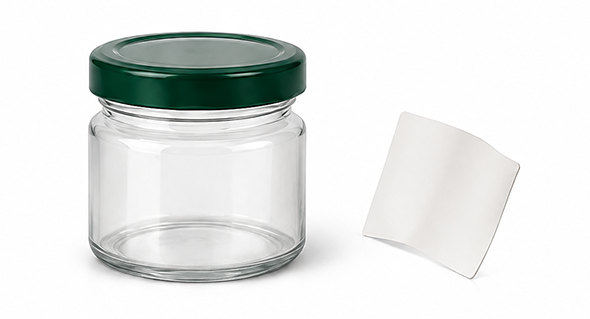
Jar + lid + label DoC No. 1
Grouped packaging
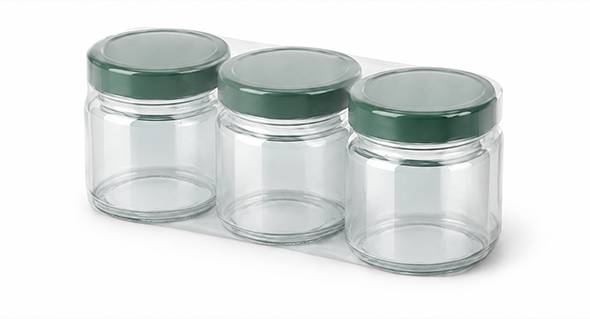
Bundle / cluster of 3 DoC No. 2
Transport packaging
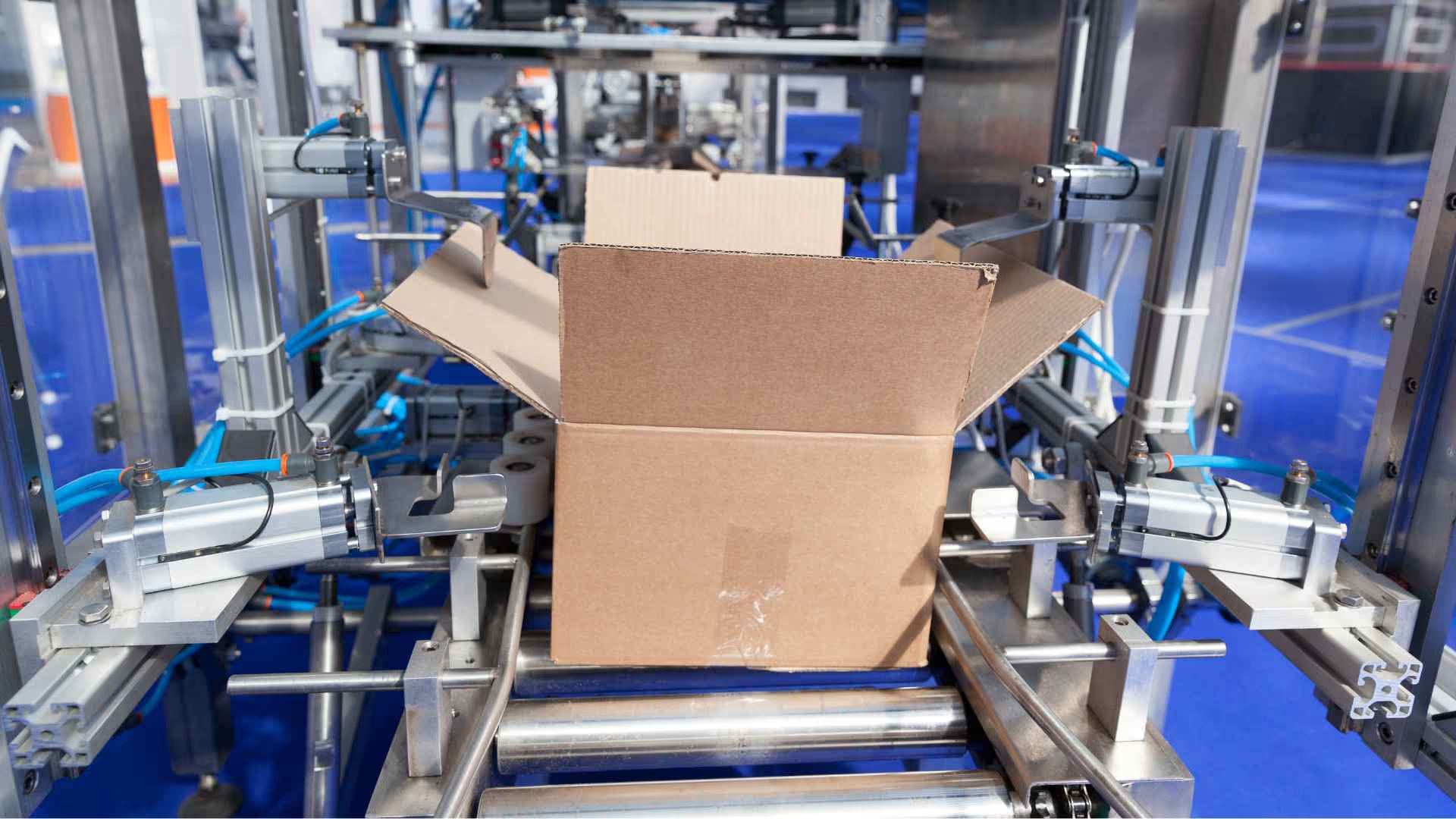
Cardboard box + stretch film + tape DoC No. 3
The PPWR conformity process
The regulatory framework translates into a three-step operational process.
Collection of information and documentation from suppliers
component by component — Article 16
Conformity assessment
of the unit of packaging — Article 38, Annex VII
Declaration of Conformity (DoC)
for the unit of packaging — Article 39, Annex VIII
An evolving implementation framework
The PPWR introduces new requirements affecting packaging design, materials, communication and end-of-life management.
Minimisation
Packaging will need to be designed to minimise unnecessary weight, volume and empty space.
Restricted substances
The Regulation sets limits and restrictions on certain substances, including heavy metals and PFAS in food-contact packaging.
Recyclability
Packaging must meet design-for-recycling criteria and later be recyclable at scale.
Recycled content
Minimum recycled content targets will apply to certain categories, particularly plastic packaging.
Reuse and refill
The PPWR introduces targets and conditions to support reuse and refill systems and reduce single-use packaging.
EU harmonised labelling
The Regulation introduces an EU-wide labelling system.
Manufacturer: who is responsible for packaging compliance
One of the most significant changes introduced by the PPWR concerns the role of the manufacturer. The manufacturer is not necessarily the company that physically produces the packaging: it may also be the entity that has it designed or manufactured and places it on the market under its own name or trademark.
For each packaging unit, there is only one PPWR manufacturer, responsible for compliance across the EU.
In many cases, the brand owner is considered the manufacturer and assumes responsibility for packaging compliance, even when the packaging is produced by a third party.
For private-label products, the retailer is considered the manufacturer when the packaged product is placed on the market under its name or trademark, except in the specific cases provided for by the Regulation.Importers and distributors become manufacturers if they place packaging on the market under their own name or trademark, or modify it in a way that may affect compliance.
Suppliers must provide the manufacturer with the information and documentation needed to demonstrate packaging compliance.
Manufacturer
Responsible for packaging compliance, including conformity assessment, Technical Documentation and the EU Declaration of Conformity.
Producer EPR
Is responsible for EPR obligations, including registration, reporting and financial contributions in the markets where the packaging becomes waste.
PPWR EU Declaration of Conformity and technical documentation
Under the PPWR, manufacturers must assess packaging unit compliance, prepare the Technical Documentation, and issue the EU Declaration of Conformity.
PPWR Declaration of Conformity (DoC)
Confirms compliance of the entire packaging unit with the applicable requirements and is drawn up in accordance with Annex VIII.
Technical documentation
Covers applicable requirements, component characteristics and materials, supplier evidence, and conformity assessment results. Prepared in accordance with Annex VII.
Documentation management and compliance checks
Technical Documentation must be kept available to the authorities and updated whenever relevant changes occur. The retention period is 5 years for single-use packaging and 10 years for reusable packaging.
DoC FCM and DoC PPWR
MOCA documentation does not replace PPWR requirements. The information can be managed in a single document or dossier, provided the two regulatory frameworks are clearly distinguished.
PPWR non-compliance risks
Italy’s PPWR penalty framework is still being defined. If packaging is non-compliant, authorities may require corrective action within a set timeframe. If the issue is not resolved, they may restrict its sale, withdraw it from the market or order a recall.
It provides an overview of European regulatory developments in the packaging sector: from the transposition of Directive (EU) 2024/825 in Italy to the PPWR.
With Trusty, one platform: from inventory to signed DoC
Trusty provides a multi-tenant SaaS platform to manage PPWR compliance requirements, from data collection and validation to the automatic generation of the Declaration of Conformity, covering both current obligations and those coming progressively into force.
SKU & component inventory Management of SKUs, related packaging units and components, with data import via CSV/Excel.
Supplier portal (no account) Magic link, IT/EN, automatic reminders.
Validation & gap analysis Check missing data and documentation, including PFAS, heavy metals and substances of concern.
PPWR DoC generation Compliant template. CM → LR signature workflow.
Annex VII file Automatic A–J section index, PDF/ZIP export.
Dashboard & alerts DoC, certificate and checklist deadlines at 60/30/7 days.

.avif)

.avif)
.avif)

.avif)
.avif)
.avif)
.avif)
.avif)
.avif)
.avif)
.avif)
.avif)
.avif)
.avif)
.avif)